Asexual Reproduction Lizards Most Recent Content Files #973
Gain Access asexual reproduction lizards hand-selected online video. Without any fees on our visual library. Become one with the story in a vast collection of media unveiled in superior quality, flawless for select viewing viewers. With contemporary content, you’ll always stay on top of. Locate asexual reproduction lizards personalized streaming in high-fidelity visuals for a truly engrossing experience. Link up with our media world today to feast your eyes on one-of-a-kind elite content with zero payment required, no membership needed. Receive consistent updates and explore a world of indie creator works intended for prime media followers. You won't want to miss special videos—instant download available! Get the premium experience of asexual reproduction lizards unique creator videos with brilliant quality and staff picks.
The lizards are all female and parthenogenetic, meaning their eggs develop into embryos without fertilization In simple terms, parthenogenesis allows females to produce offspring without the need for a male. But before the eggs form, baumann's team discovered, the females' cells gain twice the usual number of chromosomes during meiosis.
Research - Singhal Lab
Gynogenesis is a form of asexual reproduction in which female eggs are activated by male sperm, but no male genetic material is contributed to offspring While not very common, some lizard species resort to asexual reproduction methods, like parthenogenesis While this mode of reproduction has not been observed in reptiles, it occurs in several salamander species of the genus ambystoma.
But how do they—and the other 70 species of vertebrates that propagate this way—do it without the genetic monotony and disease vulnerability that often results from asexual reproduction?
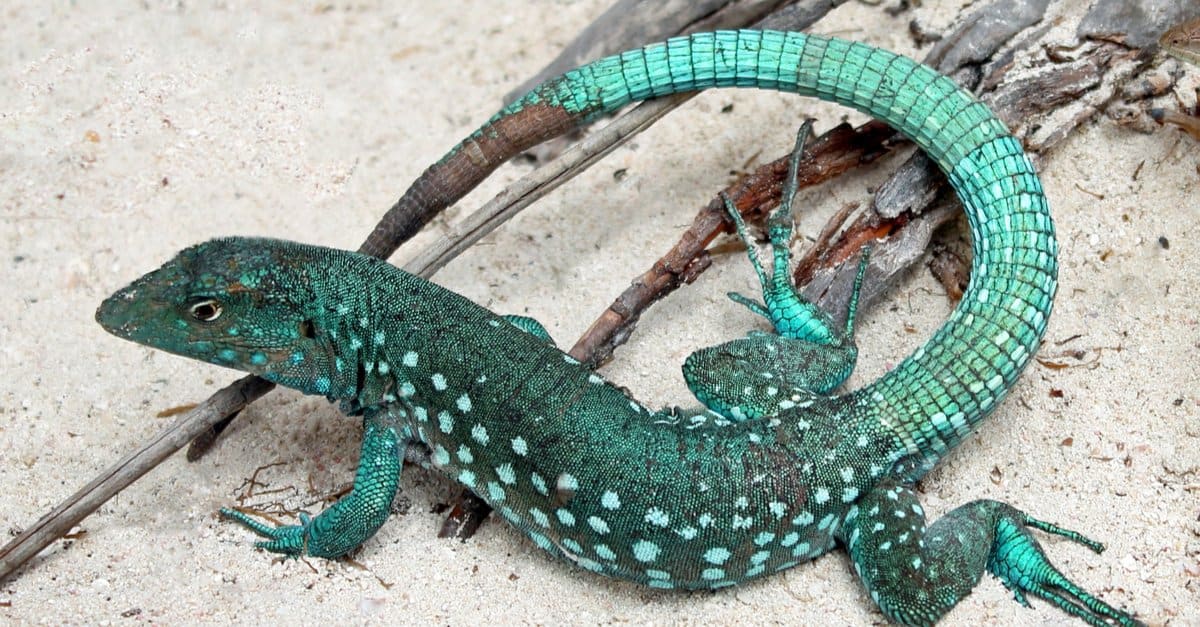
Some lizard species, such as this new mexico whiptail lizard, aspidoscelis neomexicana, reproduce entirely asexually — the species has no males By studying such species, scientists hope to understand more about why sex exists at all, and the costs and benefits of sexual reproduction. Asexual reproduction in lizards, known as parthenogenesis, is a rare but fascinating occurrence While parthenogenesis is more common in some reptiles like snakes and certain species of geckos, it’s not something that most lizard species exhibit.
In addition to sexual reproduction, some lizard species also have the ability to reproduce asexually Asexual reproduction does not involve the fusion of gametes and results in offspring that are genetically identical to the parent.